7 Innovative Event Styling Trends to Elevate Your Event
In event design and styling today, there is a growing focus on mood and atmosphere. A focus on really elevating the guest experience at every touch point, so they walk away feeling connected to the moment. This increased focus on immersion also includes the experience for guest at corporate events and brand activation events.
As 2026 event styling trends emerge, brand teams are focusing on smaller, more immersive event experiences. These events feel intentional and hone in on being more memorable and captivating than large-scale events. Large-scale events can be harder to create connection without large budgets and can feel less personal.
When it comes to event styling trends in 2026, there is a clear shift away from a strict, uniform approach. Instead, event styling is becoming more multi-layered with its execution. This means the styled elements do not need to match perfectly. A lot more creative variety is being introduced.
This change encourages planners and event stylists to try new textures, colors, and styles. It helps make each event unique and memorable, creating more immersive event experiences.
Frith Hucks, the Creative Director of Rainy Sunday, said, "We are seeing changes in how corporate events are styled. The rules are becoming more flexible."Companies now seek greater creativity since events play a crucial role in their brand engagement programs.
These trends are gaining momentum with corporate event teams. Companies are now keen on improving these events by collaborating with more experienced event stylists. A prominent example is Rainy Sunday, a creative event styling agency located in Sydney.
Partnering with specialists in Sydney like Rainy Sunday for corporate event styling allows businesses to infuse creativity into their events.
Here are seven innovative event styling tends you can epect to see more of in 2026 at brand activation events and corporate events. Event trends focused on immersion, engagement and creativity.
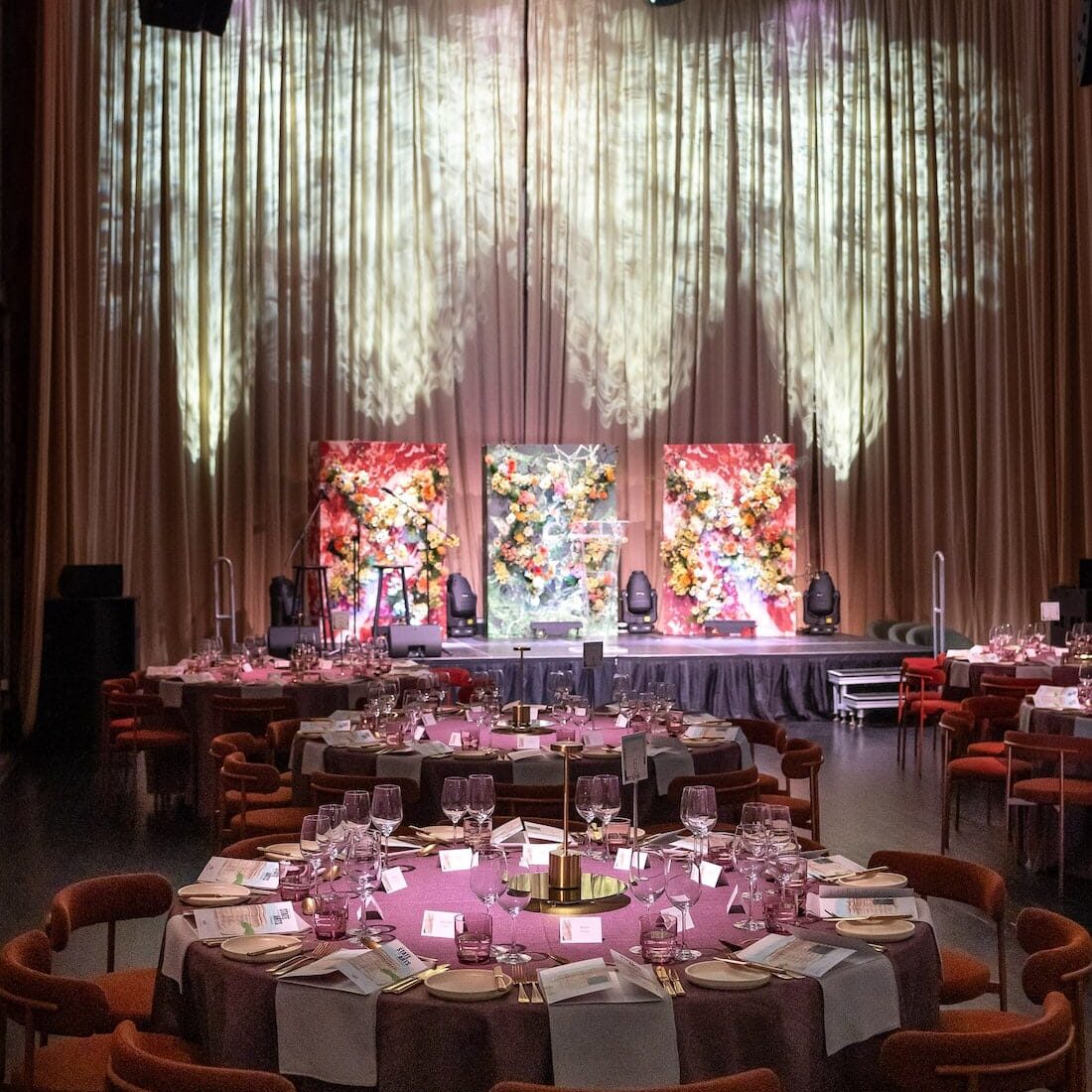
1. Embracing Immersive Event Experiences
Definition and Importance: Immersive events are designed to engage event guests in many ways. They create a space where attendees can participate and interact with the content fully.
These experiences often involve sensory elements, such as visuals, sounds, and touchable materials, to create a much more sensory-led experience. Immersive events matter because they help people connect more deeply to the event's message.
They make participants feel involved and invested in the experience. It also boosts information retention and brand awareness for organizations hosting immersive experiences and brand activation events.
Examples of Immersive Designs:
- Many compelling examples of immersive designs have successfully captivated audiences.
- For instance, retail brands like Mecca are leading the way with stores designed around experiential moments for customers. They put immersive experiences at the heart of their store layout. This direction has helped inform more engaging event experiences that are now at the forefront of event stylists' minds.
- Sydney stylist team Rainy Sunday recently created a fully immersive event pop-up for Smirnoff. Event designers styled the pop-up to look like a real grocery store. They used thousands of fake grocery items in Smirnoff's colour palette to deliver a real wow moment.
- Elements in event styling have also become more tactile. Now you will see layered draping for moments like product reveals. These are styles for 2026 that have more visual impact.
- Other examples include interactive exhibits where guests can engage hands-on with technology or art installations, encouraging exploration and discovery.
- Additionally, many events now incorporate augmented reality (AR) and virtual reality (VR) elements, allowing attendees to engage in experiences that blend the real and digital worlds seamlessly.
- These innovative designs not only create memorable moments but also leave a lasting impression that resonates with guests long after the event has ended.
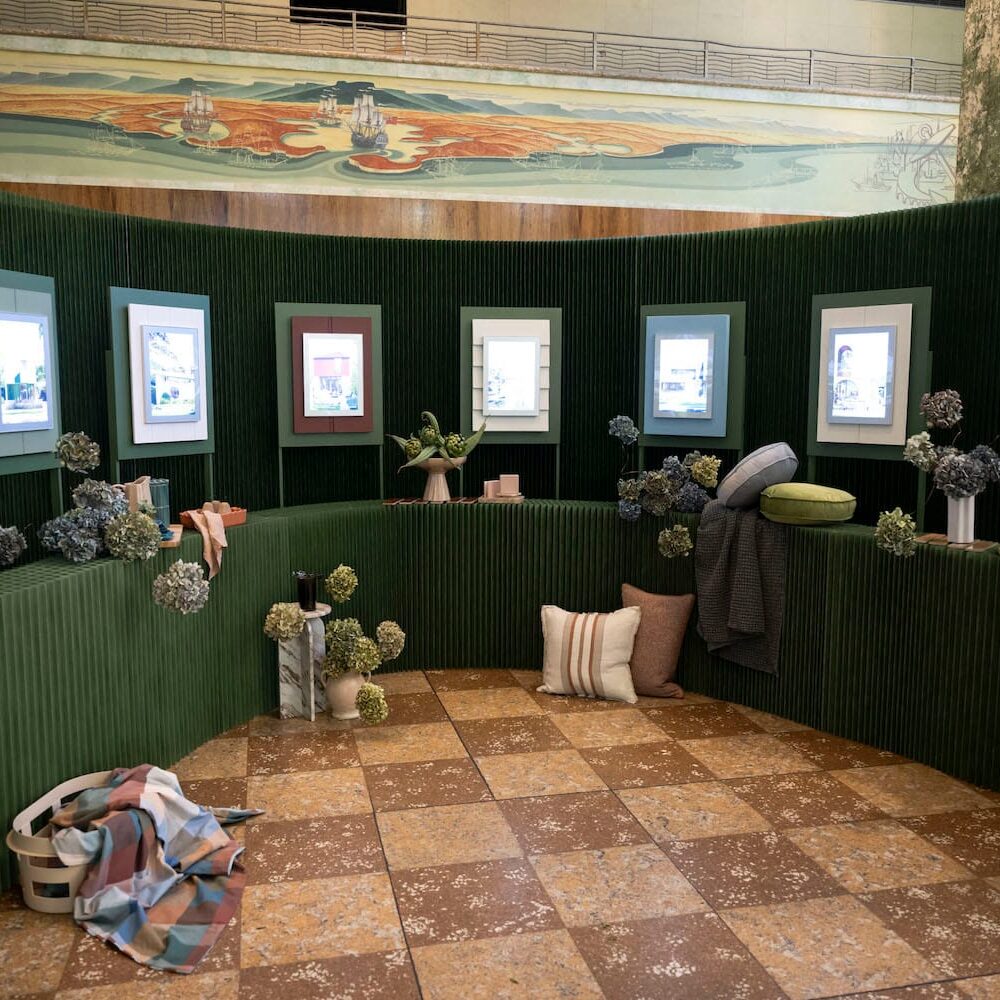
2. Utilizing Soft Walls for Defining Spaces
A new event styling trend for softer spaces is emerging.
- Recently, a clear interior design trend has emerged. It involves adding soft walls made from unique, flexible paper materials.
- These innovative walls divide areas and create gentle, flowing curves that improve the atmosphere of event spaces. This approach results in a softer environment that feels warm and inviting. It also allows event designers to define multiple spaces within the same event.
Luxury brands leading the way on softer event spaces.
- One pioneer in this trend is the luxury brand LOEWE Perfumes. It has led the way with its Crafted Garden global pop-up events.
- Through this initiative, they show how soft walls can reshape spatial design. Their beautifully sculptured pop-up flows with the curves of the walls.
- By adopting these creative designs, LOEWE Perfumes sets a new industry trend. It also encourages others to use softer, more flexible elements in event design. This is especially true for brand activation events and consumer-focused experiences.
3. Elevated Lighting Moments
A move to more elevated lighting that creates atmosphere
At corporate events, lighting design and setup are very important. However, they are often overlooked or added at the end. Treating event lighting as an afterthought can impact the execution of the event.
Strategically incorporating lighting into the overall event design not only enhances the aesthetic look of the space but also contributes to the overall mood and event vibe. Making lighting a key feature of the corporate event can transform a simple space into a warm and inviting event venue.
One effective way to achieve this is by using soft ambient lighting on tables. This kind of lighting creates a warm atmosphere, encouraging conversation and engagement among guests. Using soft lights around the tables will help create the mood of the event, while also providing just the right amount of illumination for dining and interaction.
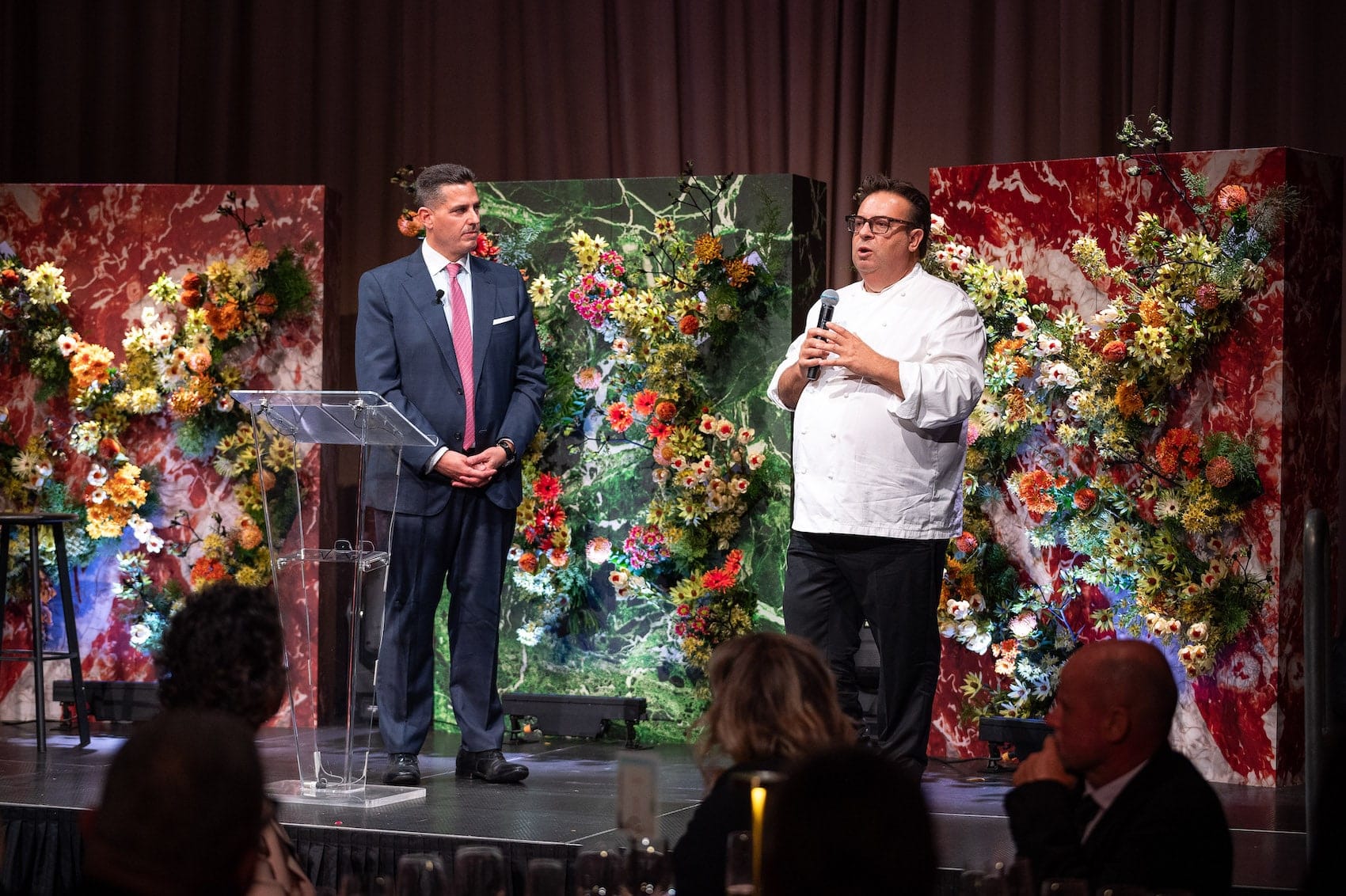
4. Bold Floral Choices Event Guests Will Remember
Event flowers are taking centre stage.
Flowers are not just a background for events anymore. They are now the main focus, adding color and interest.
Event planners and designers are increasingly finding innovative ways to incorporate floral elements into their work, making them an essential part of the overall aesthetic and pushing creative floral design forward. Large-scale flowers add artistic layers.
Today, it is common to see flower displays made as large-scale floral installations. Guests can interact with them, making the event decor more engaging.
In addition, there's an increasing trend of using flowers along with unusual materials like wire and mesh, creating unique and creative arrangements.
Additionally, single-stem flowers are experiencing a resurgence in popularity, allowing for a minimalist yet impactful approach to floral design.
This minimalist floral approach has evolved as part of the broader movement in contemporary event styling.
Corporate flower design styles evolving.
In the area of corporate flower design, there has been a shift away from the traditional and simplistic table arrangements. Instead, a more expressive and creative floral style has emerged in Australia.
This evolution has led to a fresh approach that not only beautifies spaces but also conveys messages and emotions effectively through the use of flowers.
5.Unexpected Table Settings
Table settings for Events Getting More Creative
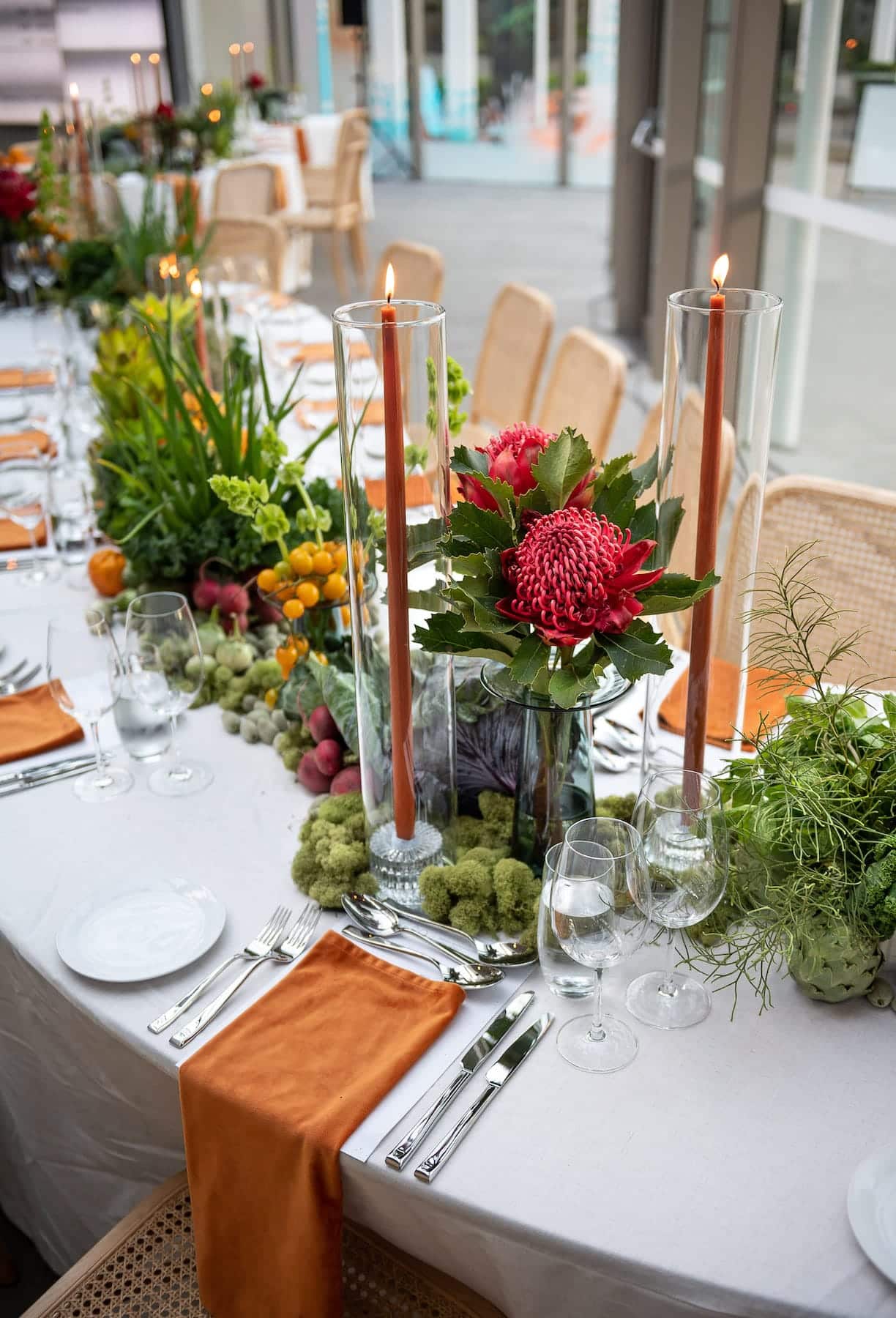
Using unexpected elements to create breathtaking tablescapes can surprise and delight guests while still feeling cohesive within the event styling concept.
Consider playful contrasts—such as combining vegetables with flowers—or using layers of textured fabric to reimagine the tablecloth style of the event.
There are no rules now for how a table setting has to look for a creative event experience.
6.The Concept of 'Food as a Moment' in Event Styling
Food used as an event feature.
- Lately, we have begun to notice a shift in the role food plays at events. Food is no longer merely about feeding guests; instead, it is increasingly being used as a form of artistic expression that adds to the overall aesthetic experience for event guests.
- The presentation of food has evolved into a visual spectacle, allowing guests to not only enjoy delectable dishes but also to appreciate the artistry involved in their creation.
Curated ingredients with visual appeal.
- This approach leads to the development of truly distinctive experiences for guests, where skilled chefs are able to carefully select and curate ingredients that engage the senses in ways that go beyond just flavor.
- The thoughtful combination of colors, textures, and arrangements transforms dining into an experience that leaves a lasting impression, turning food into a styled feature within immersive event experiences. This approach also works beautifully for brand activation events.
- The trend draws inspiration from innovative brands such as UY Studio based in Berlin and Gohar World in New York City, both of which have pioneered the idea of elevating food presentation to an art form. We are now witnessing the growing adoption of this concept by event stylists and planners in Sydney and throughout Australia.
7. Personalization and Customization
Leveraging Technology for Customized Event Experiences
Event design no longer has to be generic. Technology now allows for customization at all levels. Whether it's small table details or larger elements like flowers and lighting.
- Event tables can be customized to match different themes.
- Flower arrangements can change in color and style as guests move through various areas.
- Lighting can vary throughout the event to create different atmospheres and messages.
Event Styling Trends Q&A
Question: What makes an event “immersive” in 2026, and why are brands favoring smaller formats?
Short answer: Immersive events engage guests through multiple senses—sight, sound, touch—and active participation, often using tactile elements, layered draping, interactive exhibits, and even AR/VR. Brands are shifting to smaller, more intentional formats because they feel more personal and memorable, deepen connection to the event’s message, and boost information retention and brand awareness. Corporate teams are also collaborating with experienced stylists (e.g., Rainy Sunday in Sydney) to elevate every brand touchpoint and deliver these high-impact experiences.
Question: What are “soft walls,” and how do they enhance event spaces?
Short answer: Soft walls are flexible, sculptural partitions—often made from innovative paper materials—that introduce gentle curves, define zones, and create a warm, inviting flow within one venue. They help planners shape multiple experiences in a single space without harsh barriers. LOEWE Perfumes’ Crafted Garden pop-ups showcase how these soft, curved forms can lead spatial design and set a new standard for brand activations and consumer experiences.
Question: How should lighting be approached to create an elevated atmosphere?
Short answer: Plan lighting as a core design element from the start, not an add-on. Strategic choices—like soft, ambient tabletop lighting—set the mood, encourage conversation, and transform simple venues into warm, inviting environments. Treating lighting as a feature amplifies the aesthetic and overall vibe, ensuring it supports the event narrative rather than competing with it.
Question: How are florals evolving in contemporary event styling?
Short answer: Flowers have moved center stage, shifting from background decor to focal, experiential art. Expect large-scale, interactive installations; creative pairings with materials like wire and mesh; and a resurgence of impactful single-stem minimalism. In corporate settings—particularly in Australia—floral design is moving beyond traditional table pieces toward expressive, message-driven arrangements that add artistic layers guests remember.
Question: What does “food as a moment” mean, and how can it strengthen brand activations?
Short answer: Food is curated as a visual and sensory feature, not just sustenance—think color, texture, form, and presentation that tell a story. Inspired by innovators like UY Studio (Berlin) and Gohar World (New York), chefs and stylists select ingredients and plating that become part of the event’s aesthetics, turning dining into a memorable highlight. This approach, increasingly adopted in Sydney and across Australia, enhances immersion and leaves a lasting brand impression.
To see more examples of on-trend event styling in action you can click HERE